
In Conversation: Karl Rühmann on Writing from a New Place
Swiss author Karl Rühmann is currently Writer in Residence at Literaturhaus Niederösterreich in Stein/Krems, Austria, a residency made possible through the exchange program between A*dS (Swiss Authors' Association) and Literaturhaus NÖ, with the support of Pro Helvetia. We spoke with him in the early weeks of his stay about writing in an unfamiliar place, the language each new novel demands, and what it means to burden your characters with the weight of real life.
You came to Krems with a new book project. How did the first weeks go? Does the desk fit?
'Everything has got off to a good start,' Rühmann says. 'Julia, Marie-Theres, Klaus and Michael take good care of me, and my neighbours here in the studios are very kind people and fascinating artists.'
The studio is housed in a former carpet factory, today a light-filled cultural complex near the Danube. The cafés, he assures us, are not far — a detail that means more to a writer than it sounds.
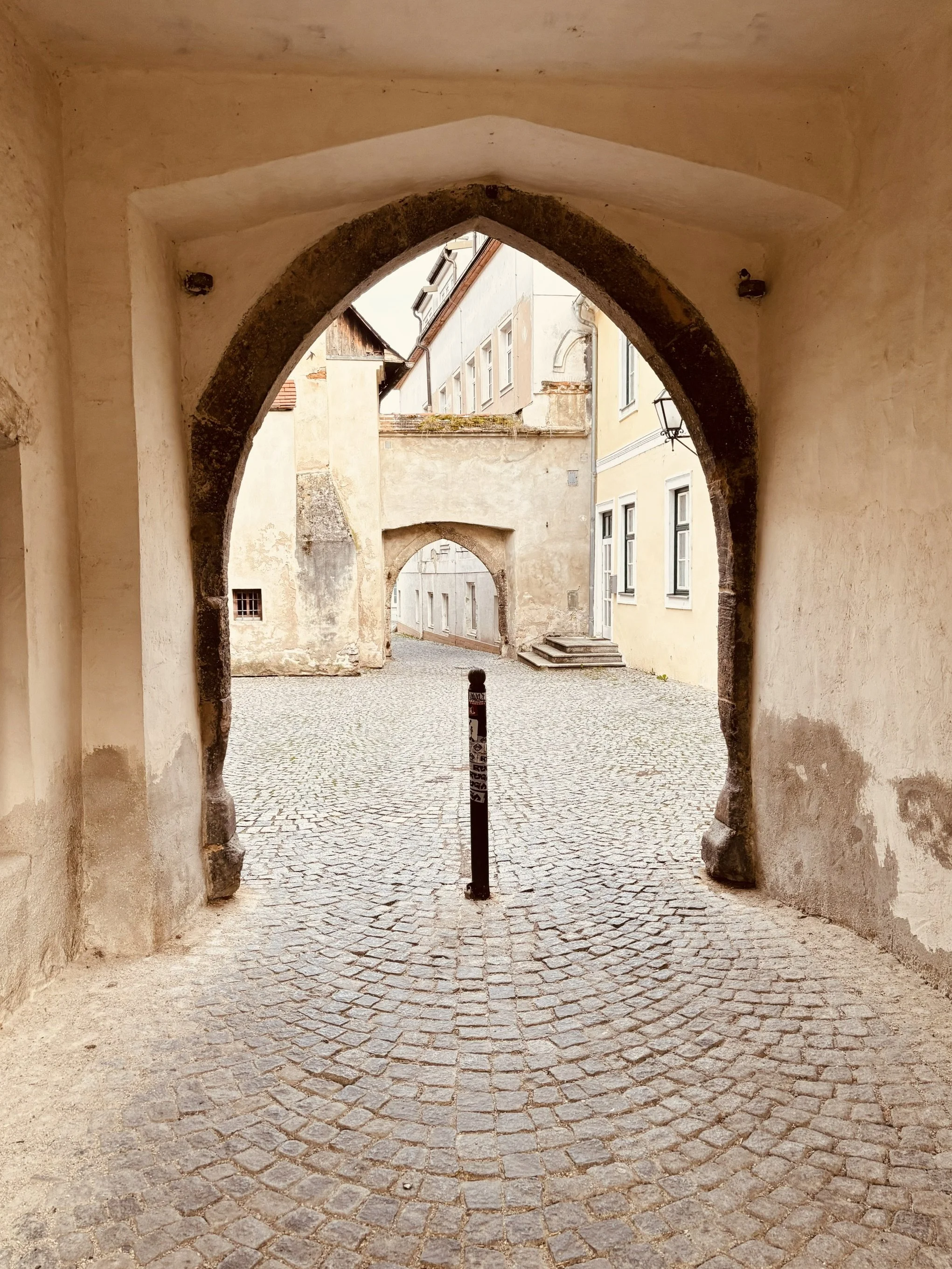
“Anyone who writes fiction cannot be too nice a person.”
What role do landscape, atmosphere and environment play in your work? Does a place like Krems influence the writing process?
'Krems is special in that there are many museums and galleries that radiate calm and intensity at the same time. That matters greatly to the creative process. The long path along the Danube is also important: that's where I hold conversations with my characters.'
That last sentence stays with you. Conversations with his characters — not a metaphor, but a working method. Rühmann is a writer who follows his characters, listens to them, lets them speak, even when they lead him somewhere uncomfortable.
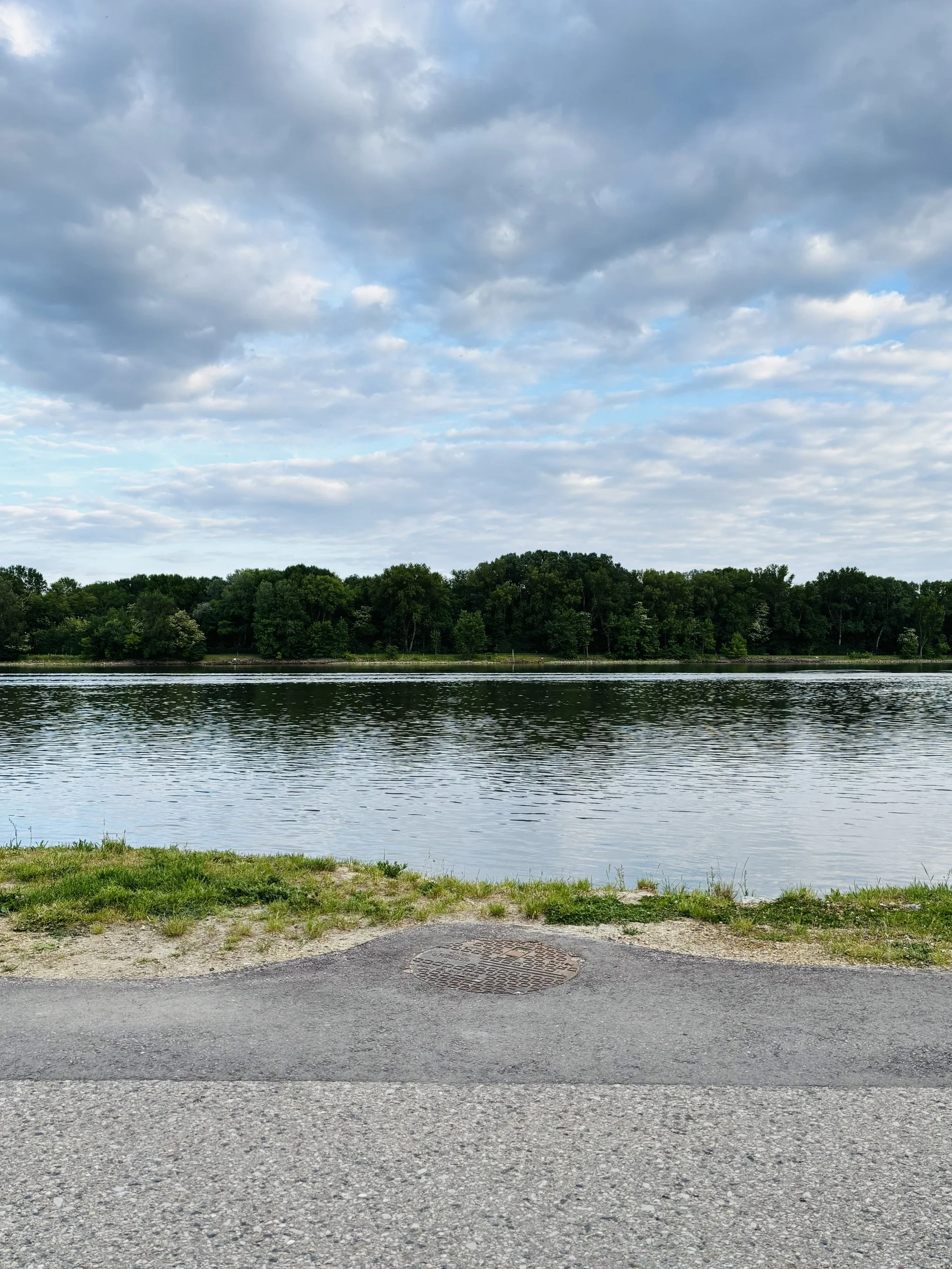
“New places bring new ideas, and right now I can make very good use of them.”
In Matija Katun und seine Söhne, everything revolves around the question of who tells a story and whether that matters. Does a change of place change who you are as an author?
'New places can be very inspiring. To write well, you have to keep looking for both distance from and closeness to your material and your characters. That might sound paradoxical, but it is very important for writing. A new place makes this recalibration easier for me.'
Without giving too much away: in what mood, in what register are you writing right now?
'It's demanding — I have set myself a lot to do. And once again I find myself thinking, only half in jest: anyone who writes fiction cannot be too nice a person. I am busy burdening my characters with problems that could break them. That is as regrettable as it is unavoidable.
You ask about the mood? Somewhere between a bad conscience and satisfaction. It matters to me that my characters speak for themselves, that they find their own voice, that they are authentic. You are allowed to feel irritated by Ingmar Saidl from Matija Katun und seine Söhne, you are allowed to root for him, wish him success or exposure — exactly as we do with people we encounter in everyday life.'
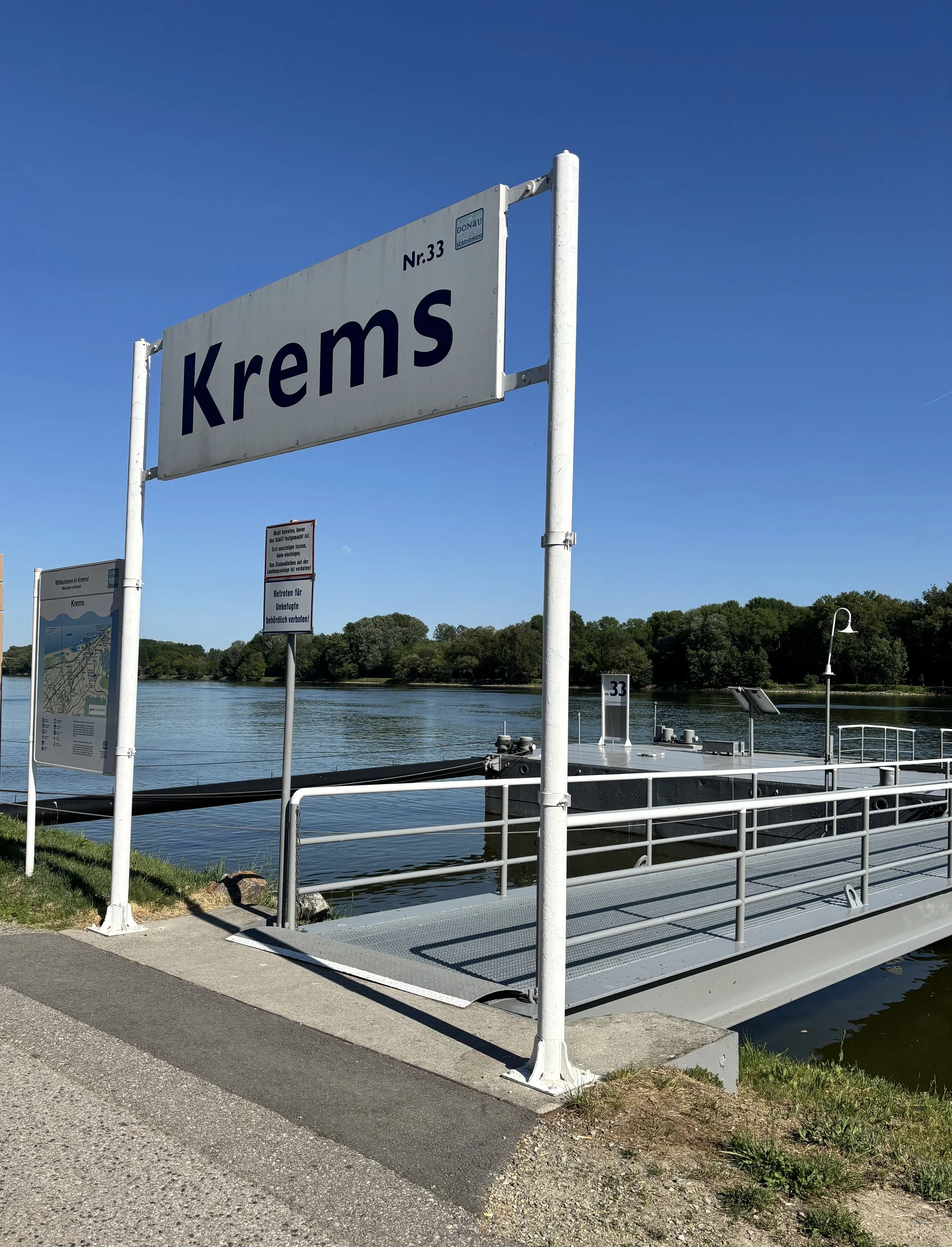
“Language is how we define our place in space and in time — and therefore our relationship to what we are telling.”
You write in German but move between several languages and cultural contexts. Does a change of place also change the language?
'I have to invent a new language for every book. In Der Held, for example, I had to find a way of speaking for the two old soldiers that was clearly different from that of Ana, the civilian and soldier's widow. Or in Die Wahrheit, vielleicht — it was not enough to claim that my protagonist Felipe ten Holt is a language fanatic; I had to let him speak and think accordingly. In the new book, this search for language is especially important, because my characters are all in the same place at the same time, each fighting a personal crisis — but each doing so in their own way and in their own language.
Maybe this sounds strange, but the change of place helps me with all of this. A new place forces you to redefine yourself in important ways. What do I like? What unsettles me? What did I get roughly right yesterday, and what do I want to do better tomorrow? This kind of reflection on one's own behaviour comes more easily somewhere new, because the new place practically compels it. And that feeds into language — because language is how we define our place in space and in time, and therefore our relationship to what we are telling.'
Residencies promise quiet and concentration. How important are those conditions for your work, really?
'Very important. The absence of daily obligations, of the small chores that cost little time but smother many ideas — that matters enormously to me.'
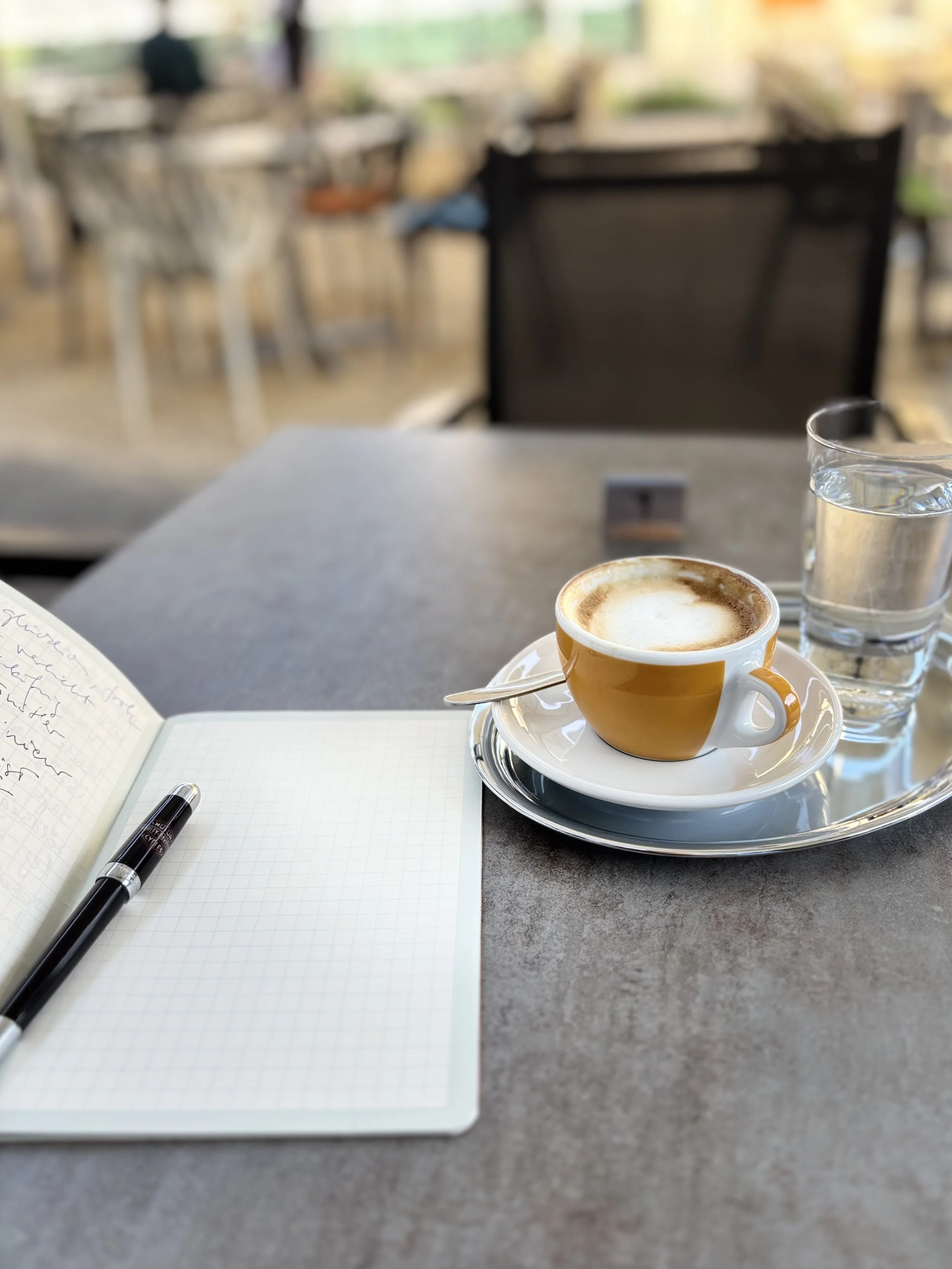
“Here I want to spend time with my characters — to protect them, and myself, a little from the outside world.”
You teach literary writing and are in regular exchange with other writers. Does that exchange continue in Krems, or is this time more of a withdrawal?
'The exchange matters to me, but here I am trying to concentrate on my book and not be distracted by other people's doubts and problems. Here I want to spend time with my characters — to protect them, and myself, a little from the outside world.
Something different, of course, is the exchange with the artists who — like me — are living here in the residency. They work visually, whether as painters, architects, filmmakers or photographers. Being around them is very inspiring, and the literary translation of those new perceptions is exciting.'
Residencies end. What remains — in the text, in you?
'Hopefully a new story. Better yet: two new stories. The memory of all the people I have met here and will still meet. The places that have inspired me and perhaps also unsettled me — that is also part of the creative process. Many acquaintances and friendships. People I hope to see again.
Stories that I don't know whether I found them, or they found me.'
Karl Rühmann's residency in Stein/Krems runs until June 22, 2026. The fellowship is awarded through the exchange programme between the A*dS and Literaturhaus Niederösterreich, supported by Pro Helvetia. A public reading is planned as part of the residency.
More about Karl Rühmann's work at www.karl-ruehmann.com. His most recent novel, Matija Katun und seine Söhne, as well as his previous works Glasmurmeln, ziegelrot, Der Held and Die Wahrheit, vielleicht are published by Rüffer & Rub (Zürich). For rights, translation and event enquiries: info@vrap.ch.
Cover portrait: © Franz Noser
All other photographs © Karl Rühmann, Stein/Krems, 2026