
The Emotional Algorithm
How BookTok rewired the way books travel, and why the industry is still one scroll behind.
In the last couple of years, more than one publisher has said "we need a BookTok strategy", the way people used to say "we need a website" in 1998, as if the thing were a checkbox rather than an ecosystem. What follows is my attempt to explain what that ecosystem actually is, and what it means for the people who license, launch and sell books for a living.
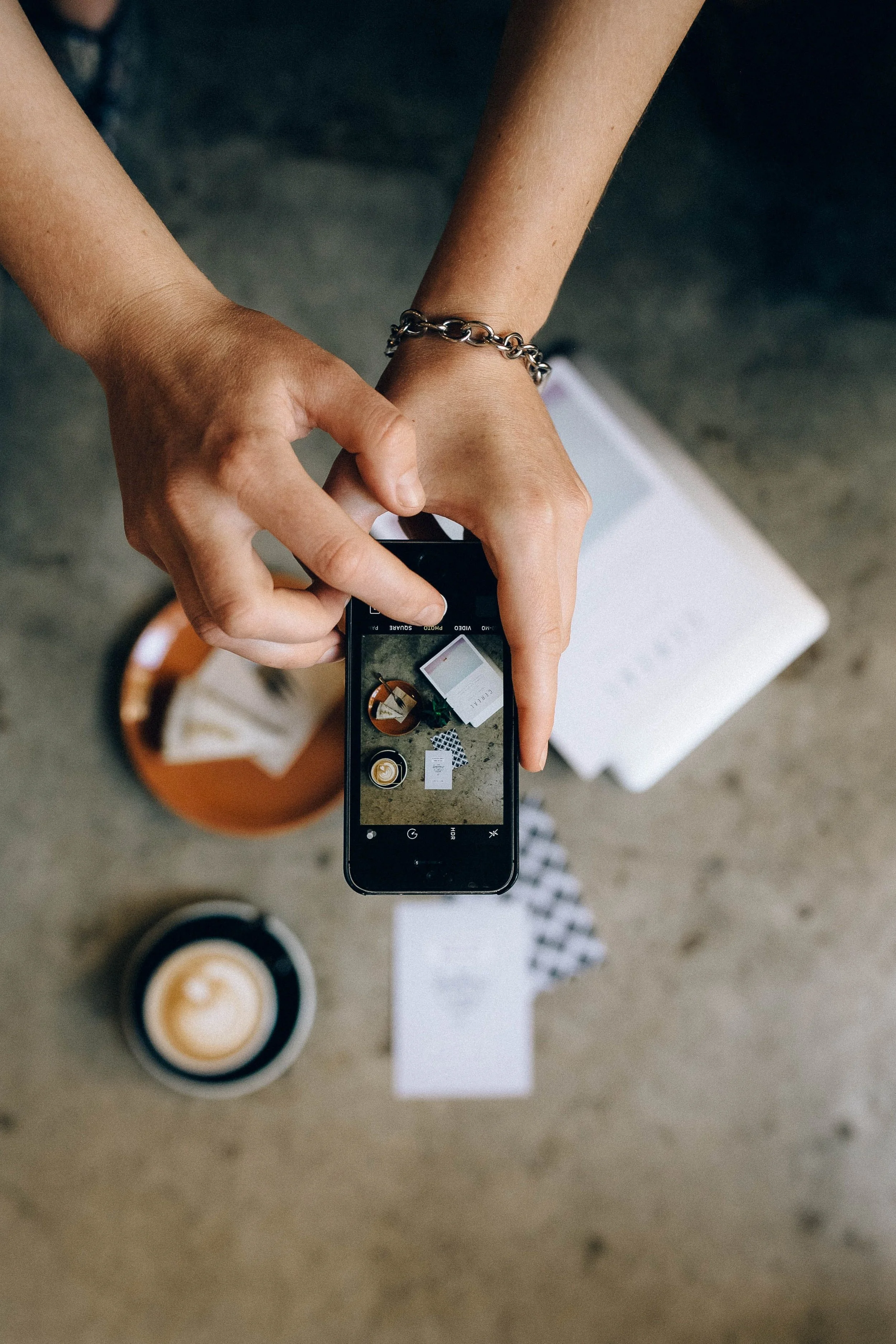
"The algorithm reshaping the book world over the past five years was not built by engineers.
It was built by readers."
Somewhere on TikTok right now, someone is crying into their camera about a book that came out nine years ago. It's not a niche occurrence, it's a genre with its own conventions, the shaky hand, the dramatic exhale, the caption reading simply "I am NOT okay", and it has moved more backlist fiction than any co-op placement or three-star broadsheet review ever managed.
Take It Ends with Us. Colleen Hoover's novel came out in 2016 and did what mid-list romance usually does: fine, and then it quietly settled into the backlist. Then, in late 2020, BookTok found it, and the two have hardly separated since. The hashtag has now generated well over a billion posts, the novel sold millions of copies in 2022 and 2023, and the 2024 film adaptation pushed another 800,000-plus copies in a matter of weeks. No prize jury did that. A largely teenage and twenty-something audience did, one weeping fifteen-second video at a time.
The claim is simple: the algorithm reshaping the book world over the past five years was not built by engineers. It was built by readers. We’ve watched it happen often enough now - a title's numbers moving before anyone in the room can explain why - that we've stopped calling it a trend.
Before the Feed
For most of the twentieth century, and a good chunk of the twenty-first, books reached readers through a fairly stable relay team: critics, literary editors, bookshop staff, prize juries, and eventually Amazon's algorithm. These gatekeepers remained at a certain distance from readers. A review in a literary supplement told you what a book was. It rarely told you what it felt like to have your ribcage rearranged by the final chapter - a sentence that applies to almost nothing in Capital in the Twenty-First Century, and to almost everything on an ACOTAR fan account.
That emotional register was always present, just private: in reading groups, margins and dinner conversations. BookTok didn't invent readerly feeling but it made it the primary broadcast format, swapping "this is an important novel" for "I finished this at 2am and sat in the dark for twenty minutes” (a worse jacket quote, but a far better fifteen-second hook).
Neither is more legitimate, they're just built for different jobs, and the second now travels further and faster. Publishing has always shaped expectations through design and criticism. What has changed is the speed at which readers now do it themselves: phone, ring light, zero editorial oversight.
How a Book Becomes Transmissible
Not every book survives contact with this environment. What travels has a clear affective promise, a cover that reads at thumbnail size, an ending that leaves people something to perform. Quiet or formally experimental work struggles because nuance is a hard sell in fifteen seconds, not because of its value.
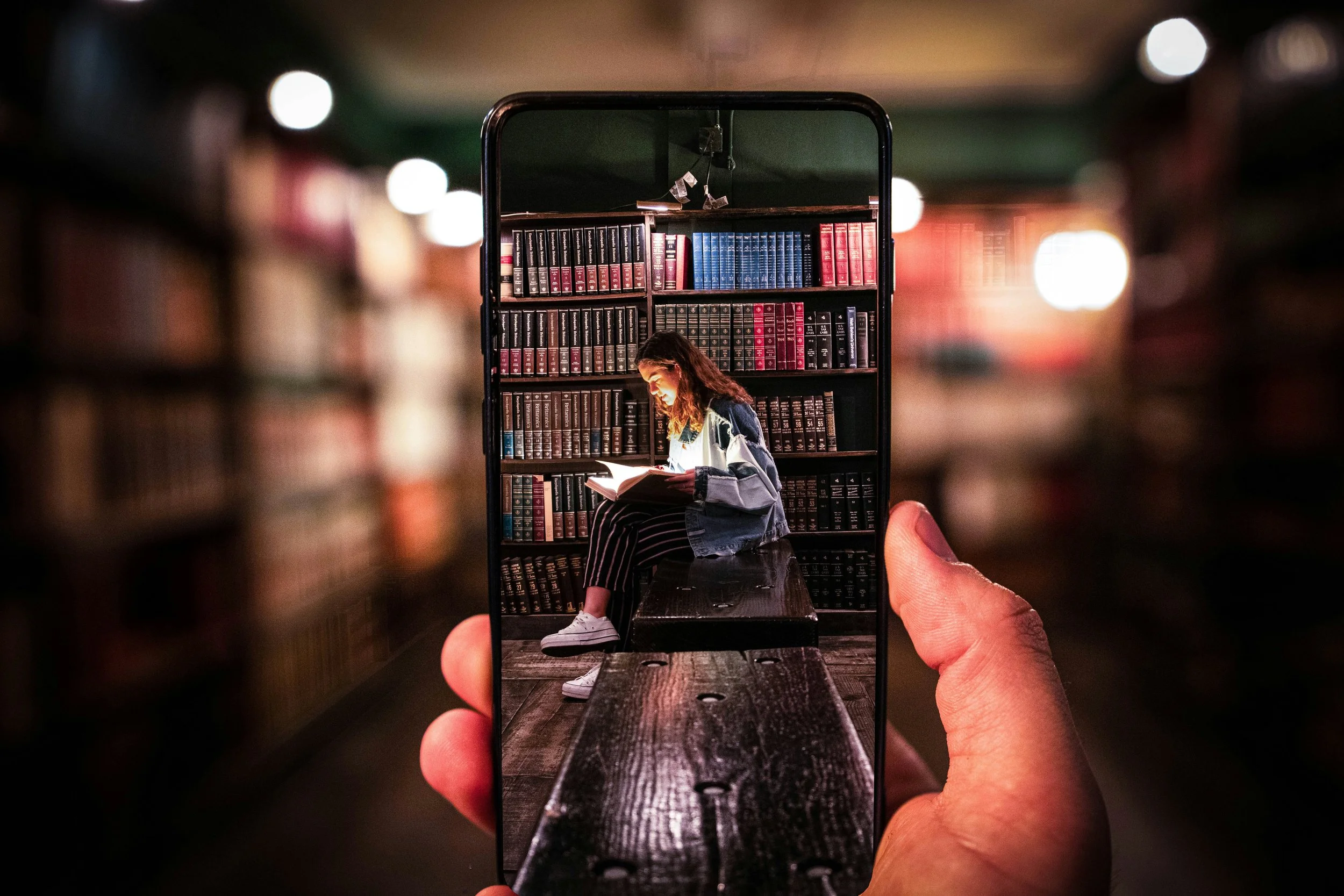
"The algorithm and the crying girl are co-authors now."
There's an academic literature forming around this. A 2025 study in Social Network Analysis and Mining, surveying 663 BookTok followers, found that positive attitudes toward a creator's recommendation predicted reading intention far more reliably than general social pressure, meaning that it isn't peer pressure that moves units, it's parasocial trust in a specific, algorithmically anointed person. BookTokers aren't influencers in the Instagram sense, they're a new category of social referent, credibility built jointly by the creator and the platform's ranking logic. The algorithm and the crying girl are, professionally speaking, co-authors now.
It’s important to be precise about the app, since "BookTok" and "Bookstagram" get used interchangeably and shouldn't be. Instagram surfaces content mainly to existing followers, so Bookstagram grew the slower, curatorial way - flatlays, colour-coded shelves, the aesthetic of having read. TikTok's For You Page surfaces by interest regardless of follower count, which was the actual mechanism behind It Ends with Us erupting six years post-publication from an account nobody followed. In short, Bookstagram rewards composition, BookTok rewards being visibly wrecked on camera.
That transmissibility also runs on tropes, not just emotion. "Enemies to lovers." "Only one bed." "She falls first, he falls harder." These aren't spoilers, they're search terms - a novel's covers, tropes and reactions are raw material readers pick up, remix and recirculate. A cover built for a display table doesn't always survive as a thumbnail; a newspaper tagline rarely lands in a thirty-second pitch to camera.
Legibility doesn't require the source material to make sense. It requires a hook.
Inside the Machine
Publishers have found roughly three ways into this ecosystem, and it’s not wrong to say that only one of them is fully theirs to control.
The first is organic revival, the It Ends with Us pathway, where a backlist or lightly promoted title simply catches. Publishers can support this once it starts (more stock, a redesigned cover, a film deal) but they cannot manufacture the original spark, and pretending otherwise has caused more than one embarrassing marketing meeting.
The second is creator campaigns: seeding early copies with established BookTokers, sponsoring posts, building relationships with the platform's actual taste-makers months before a launch. This is the closest thing to a controllable lever, and it is also the one most vulnerable to feeling, and sometimes being, inauthentic - a distinction BookTok's audience is unusually good at detecting.
The third is platform integration, where publishers build the infrastructure directly into the app. Penguin Random House's 2022 tagging partnership with TikTok, letting users link a book straight from a video to a dedicated discovery page, was an early version of this instinct: stop hoping the algorithm notices you, and build a door into it instead.
None of the three replaces the other two. The books that perform best tend to have all three arcs running in parallel: organic goodwill, creator relationships and platform tools reinforcing rather than substituting for one another.
The influence arguably runs even further upstream. Editors and agents increasingly discuss a manuscript's "BookTok legibility" before publication, suggesting that discoverability is beginning to shape acquisition as much as marketing. Whether it will ultimately reshape how books are written is a larger question, and probably still too early to answer.
From Hashtags to Rights
Here is where it stops being just a marketing story and becomes a licensing one. A viral BookTok moment in Germany or Brazil is now legitimate evidence in a co-edition conversation, in a way a glowing review never fully was. A title with documented traction - saves, shares, recreations - arrives at a rights meeting with proof of emotional resonance, not just critical endorsement. Foreign publishers have started buying accordingly, particularly across romantasy, dark romance, grief narratives and immersive fantasy.
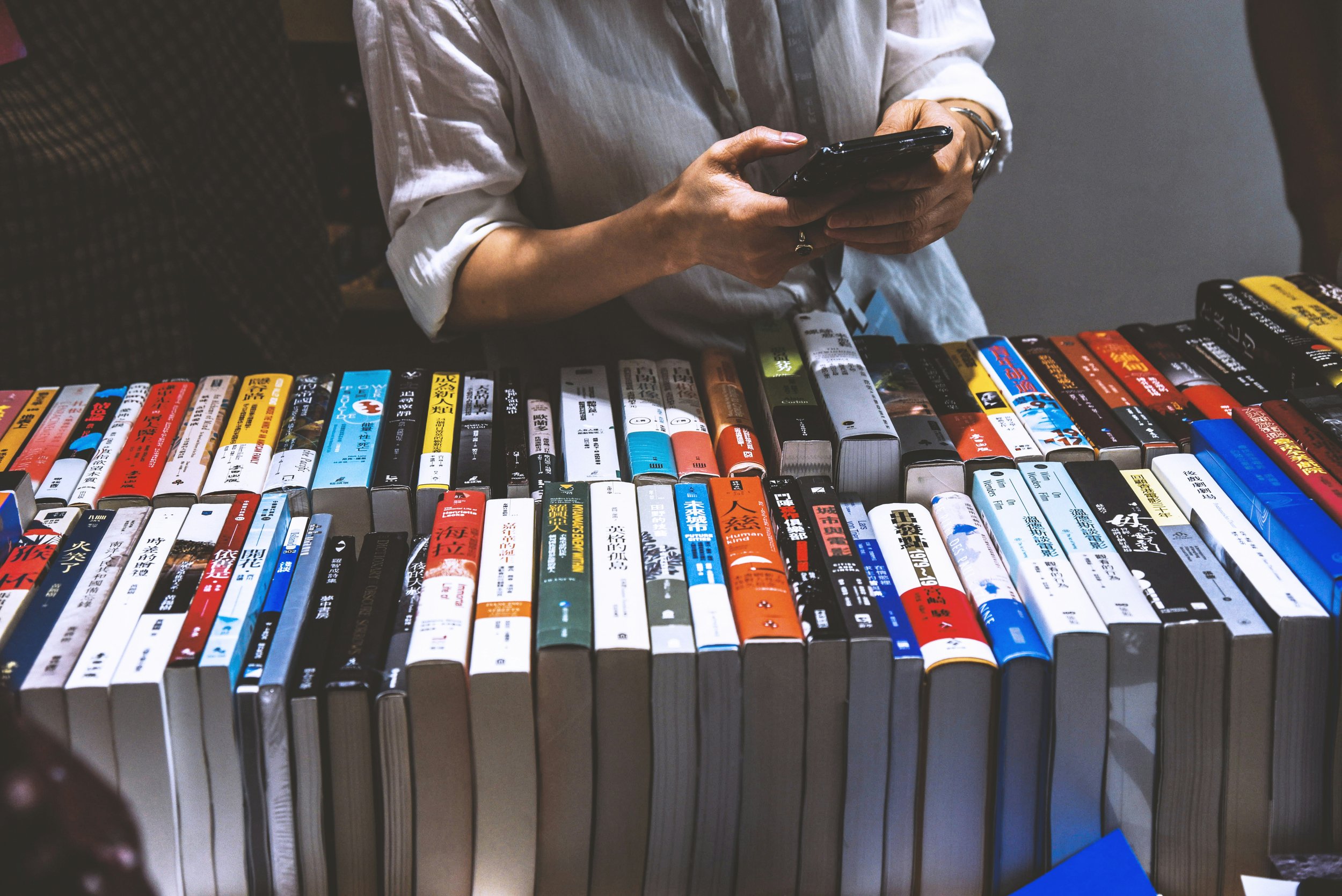
“Not every important book is meant to be transmissible, and that’s ok. “
It has also compressed the traditional launch arc. Advance copies, review coverage, author tour and bestseller lists still exist, but now run alongside a second, earlier timeline, seeded months out with early readers and community engagement, capable of moving independently of any press strategy. Titles relying on only one system increasingly feel the gap. Thomas Piketty's catalogue is proof that this kind of virality was never the only route to that scale of success. A body of work that sold in the millions across dozens of languages on the strength of argument alone and never needed the protagonist-driven, emotionally legible hook a platform like this is built to reward. Not every important book is meant to be transmissible, and that’s ok.
The Limits of Manufactured Virality
BookTok also punishes the visible attempt to manufacture it, and the industry has now collected enough case studies to prove the point.
In March, Hachette pulled the novel Shy Girl after marketing it to press as a "buzzy BookTok sensation", only for evidence to surface that it was substantially AI-generated. Interestingly enough, the damning detail wasn't the AI. It was that the BookToker whose blurb sat on the cover defended his original rave on camera by explaining he'd simply been too fatigued by extreme horror to notice the writing was bad. A recommendation culture built on relatability rather than craft is hard to embarrass into rigor. Until, very publicly, it is.
An interesting critique was made recently in The Point: BookTok's dominant critical language has quietly shifted the question from "what does this book do?" to "what does this book do for me?", which is an important distinction. Virality and literary durability are not the same thing, even when they occasionally overlap.
Then there's the platform risk itself, which nobody in publishing controls: algorithm changes, regulatory uncertainty around TikTok's ownership, the chance that the app a launch strategy depends on looks structurally different in eighteen months. Organic virality doesn't always convert cleanly either. A book can rack up views and duets and still underperform in actual sales, because attention and purchase intent aren't the same metric. It Ends with Us is the cautionary footnote: the film's press cycle, dogged by a public legal dispute between its stars, shows a book's second life as an adaptation carries its own exposure, separate from anything BookTok did (though TikTok at large had a field day).
Reading, Made Public Again
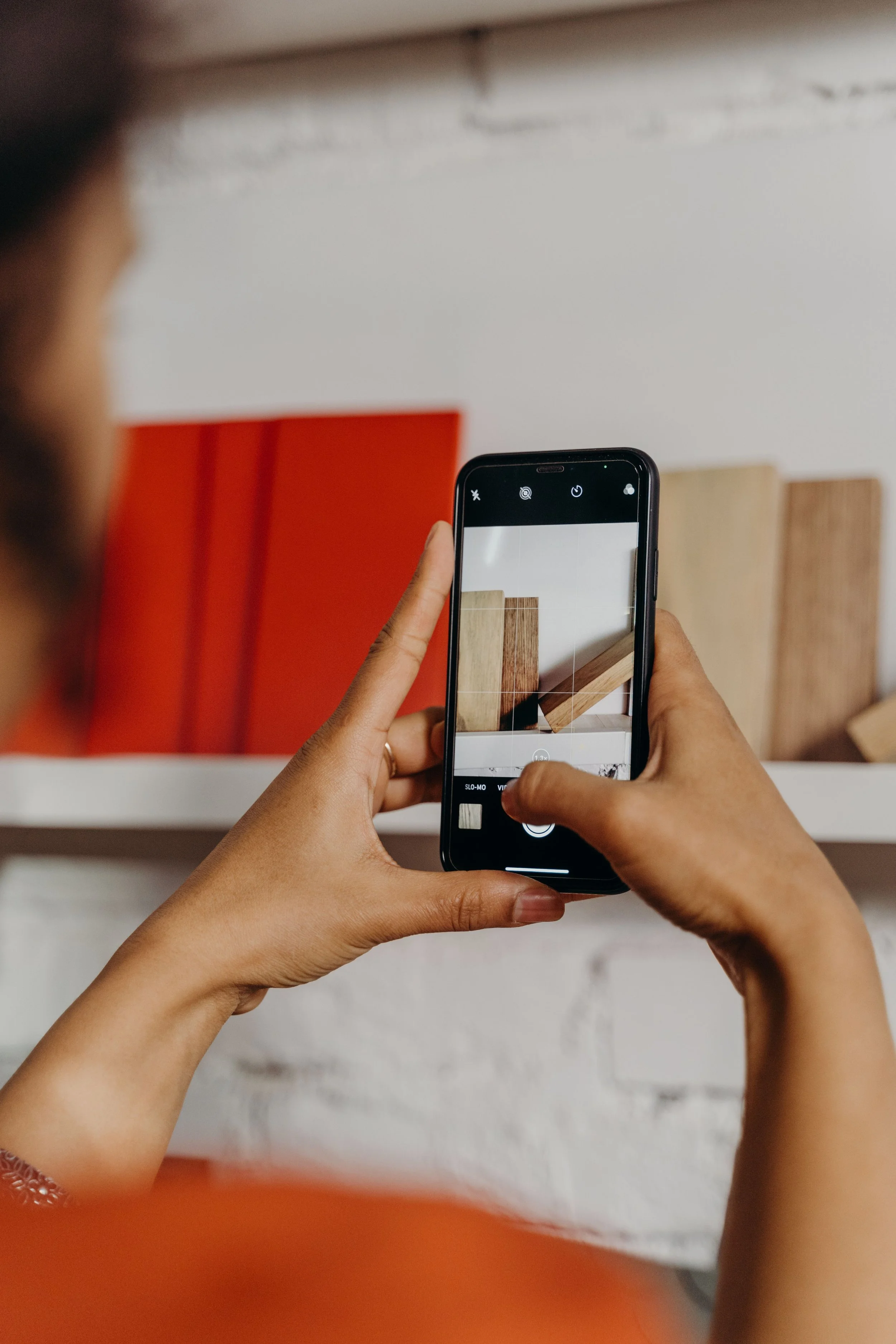
“A novel became not just the thing between its covers but the community of response it generated.”
Underneath the marketing mechanics lies a broader cultural shift. For a long time, reading was a private act - personal, solitary, something you didn't necessarily bring up. BookTok made it communal without making it institutional, a harder trick than it sounds. Reading groups or book clubs did something similar in small rooms, Literary Twitter offered a version too but leaned toward the already-literary. What TikTok enabled was broader and less guarded: people performing their reading lives, their bookshelves, their reactions, until a novel became not just the text between its covers but the community of response it generated.
This has its own micro-culture of self-awareness, worth noting: BookTok is entirely capable of mocking itself for the behavior it rewards. "Most of you don't love Infinite Jest," runs one much-quoted video. "You love being the kind of person who's read it." Which could, with small edits, describe a CHF 9,300-a-year curated library, or a tote bag that costs more than the book printed on it. Performing taste didn't start with an app, it just found a new and faster stage.
That underlying change, meaning readers as active participants in the circulation of books, working through emotional language and community rather than institutional authority, feels durable even as the platform doesn't. TikTok will evolve, get regulated, perhaps even get replaced. The behavior it revealed, that readers want to be visible to each other, isn't going back in the box.
The Practical Question(s)
For anyone actually deciding on a title, rather than watching from editorial distance, the useful questions have narrowed.
Does this book have BookTok legibility, and is that the audience it needs? Are we building all three pathways, or leaning on one and hoping? Is our rights strategy incorporating community traction as evidence, or still waiting for a review to validate it?
And, more uncomfortably: are we prepared for what happens when the views are enormous and the sell-through isn't?
The books that continue working within this system are the ones that treat it as one serious channel among several, not a shortcut around the (slower) work of finding readers who actually finish what they started. Fashion discovered that books signal something products alone can't buy. BookTok discovered something just as valuable and considerably cheaper: that readers, given a camera and an audience, will do the marketing themselves.
Further reading:
Common Readers — The Point Magazine
Reading in the Age of Influence: BookTokers and Reading Intentions — Social Network Analysis and Mining (2025)
BookTok: A Narrative Review of Current Literature — Literature Compass (2024)
Penguin Random House Partners With TikTok to Transform Book Discovery — Penguin Random House